
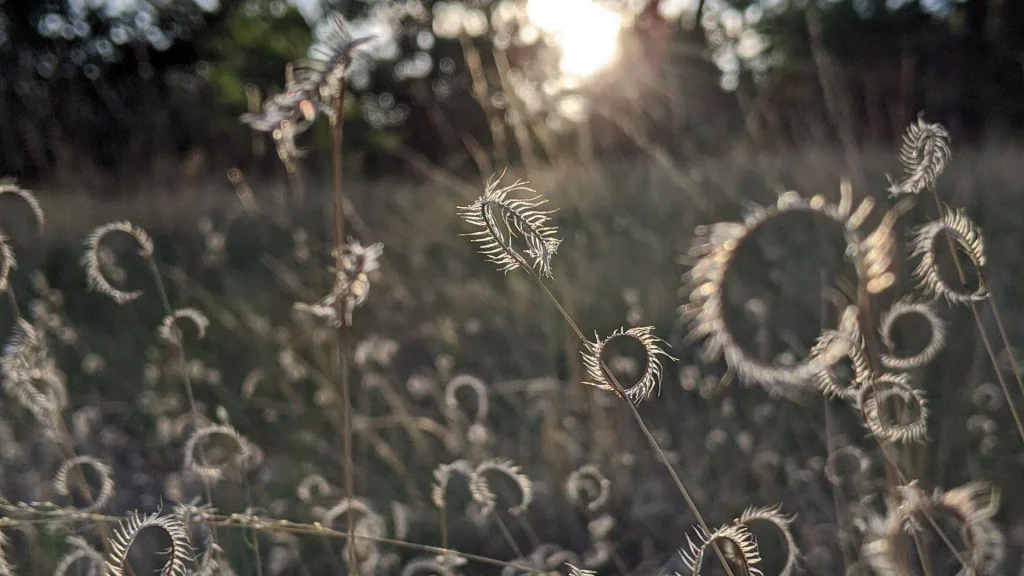
Native grasses are well suited to Colorado’s dry climate. Once established, they require less water, develop deep root systems, support wildlife and pollinators, reduce erosion, and improve soil health. However, native grass areas must be maintained differently from traditional lawns. As part of our commercial lawn care services, Vargas Property Services helps Colorado properties maintain landscapes that are healthy, sustainable, and adapted to local growing conditions.
One of the most common—and damaging—mistakes is mowing native grass too frequently or too short.
Frequent Mowing Can Create More Weeds
Traditional turfgrass is designed for regular mowing at a relatively short height. Native grasses need time to grow, strengthen their roots, and develop dense coverage.
When native grass is repeatedly cut too short, the desirable plants become stressed and weakened. More sunlight reaches the soil, creating ideal conditions for weed seeds to germinate. Frequent mowing can also push native grasses into early summer dormancy, resulting in premature browning and additional space for weeds to spread.
Simply put: mowing more often does not necessarily make a native area cleaner. In many cases, it produces more weeds.
General Mowing Guidelines
Native grass areas should be mowed infrequently and with the mower deck set high.
- Height: Keep most native grass areas approximately 3 to 6 inches or taller. Set the mower deck to its highest practical position—usually 4 to 6 inches—to protect the crowns of the plants.
- Frequency: Limit mowing to approximately two to four times per year. Depending on supplemental irrigation and the property’s intended appearance, mowing may occur every 30 to 90 days.
- Timing: Native grass should never be treated like weekly turf. A late-winter or early-spring mowing in February or March can remove old growth. Additional maintenance cuts may be scheduled around Memorial Day and Labor Day if site conditions require them.
- Conditions: Avoid mowing during extreme heat, drought stress, or when the ground is excessively wet.
Species-Specific Maintenance
Different native grasses require different mowing practices:
- Buffalograss and Blue Grama: These shortgrass prairie species can tolerate mowing at approximately 2 to 3 inches when managed as a formal lawn. However, they also perform well when left unmowed or maintained at 4 to 5 inches.
- Western Wheatgrass and Mixed Prairies: These areas should generally remain at least 6 inches tall. Frequent or short mowing stresses the grasses, encourages weeds, and can cause early summer browning and dormancy.
Managing Edges and Fire-Mitigation Areas
Native areas can still have a clean, intentional appearance. A 4-foot “beauty band” along sidewalks, curbs, and entrances can be maintained more regularly while leaving the main native area taller.
Properties may also need perimeter buffer strips or fire breaks, such as a 15-foot maintained band. The size and mowing schedule should follow applicable municipal, HOA, and fire-mitigation requirements.
Native Does Not Mean Neglected
Successful native-area maintenance combines properly timed mowing with targeted weed control, monitoring for invasive species, selective herbicide applications when appropriate, hand removal, and overseeding of damaged areas.
At Vargas Property Services, our commercial lawn care programs are tailored to Colorado’s climate and the needs of each plant community. By maintaining native landscapes according to the unique requirements of each grass species, we help property owners conserve water, support pollinators, and reduce long-term maintenance challenges.
In native landscapes, thoughtful maintenance—and sometimes doing less—creates better results.
Let Your Native Landscape Thrive
Healthy native landscapes don’t require more maintenance—they require the right maintenance. Vargas Property Services provides professional commercial lawn care and native landscape maintenance solutions designed for Colorado’s climate, helping businesses, HOAs, and municipalities maintain attractive, healthy outdoor spaces year-round. Contact our team today to learn how expert native landscape management can protect your investment while enhancing Colorado’s natural environment.