
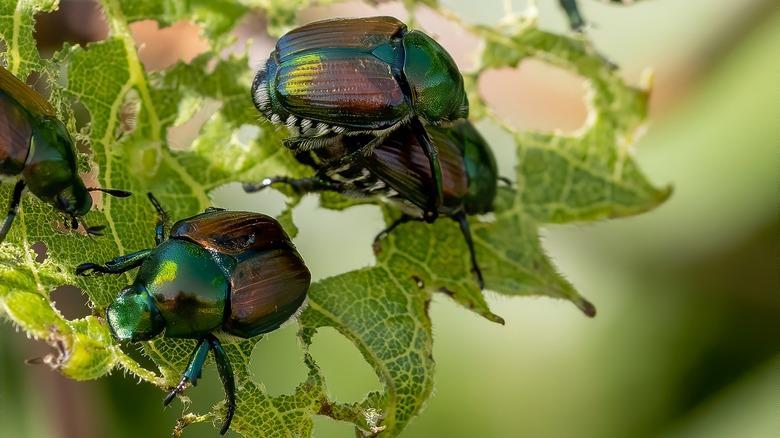
As landscapes begin to wake up in spring, so do one of turf’s most damaging pests — Japanese beetles. While the metallic-green adults are highly visible in summer, the real damage often starts earlier underground, where their white grubs feed on turfgrass roots, weakening lawns, sports fields, and commercial landscapes. Fortunately, nature provides an effective biological partner in managing these pests: the spring tiphia wasp.
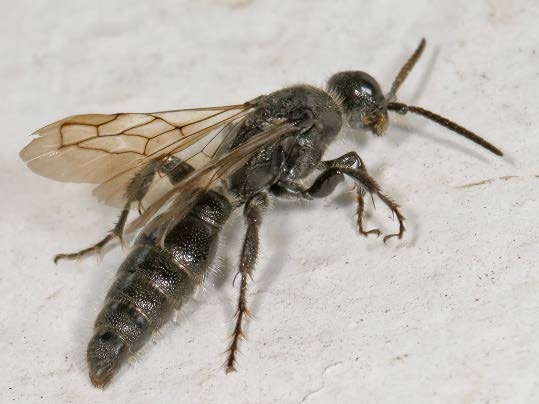
Spring tiphia (Tiphia vernalis) is a small, dark, non-aggressive parasitic wasp that targets Japanese beetle grubs. Active primarily in mid-spring, adult females search turf areas for grub populations. Once located, the wasp stings and paralyzes the grub, laying a single egg on it. The developing larva then feeds on the host, preventing that grub from emerging as a destructive adult beetle later in the season. This natural control helps suppress beetle populations before summer feeding damage begins.
For landscape managers and property owners, protecting spring tiphia activity can be an important part of an Integrated Pest Management (IPM) strategy. Because these beneficial insects are active during the same period when early-season pesticide applications sometimes occur, unnecessary broad-spectrum insecticide treatments can unintentionally reduce their populations. Monitoring grub levels first, and timing treatments only when thresholds are exceeded, helps preserve these helpful parasitoids.
Spring tiphia wasps are often seen feeding on small flowering plants such as dandelions and other early nectar sources. Maintaining some early-season bloom diversity — or delaying blanket weed treatments until after peak tiphia activity — can support their presence in managed landscapes.
By combining monitoring, responsible treatment timing, and support for beneficial insects, landscapes can reduce reliance on repeated chemical applications while improving long-term turf health. Encouraging spring tiphia isn’t just good ecology — it’s smart, sustainable Japanese beetle management.