
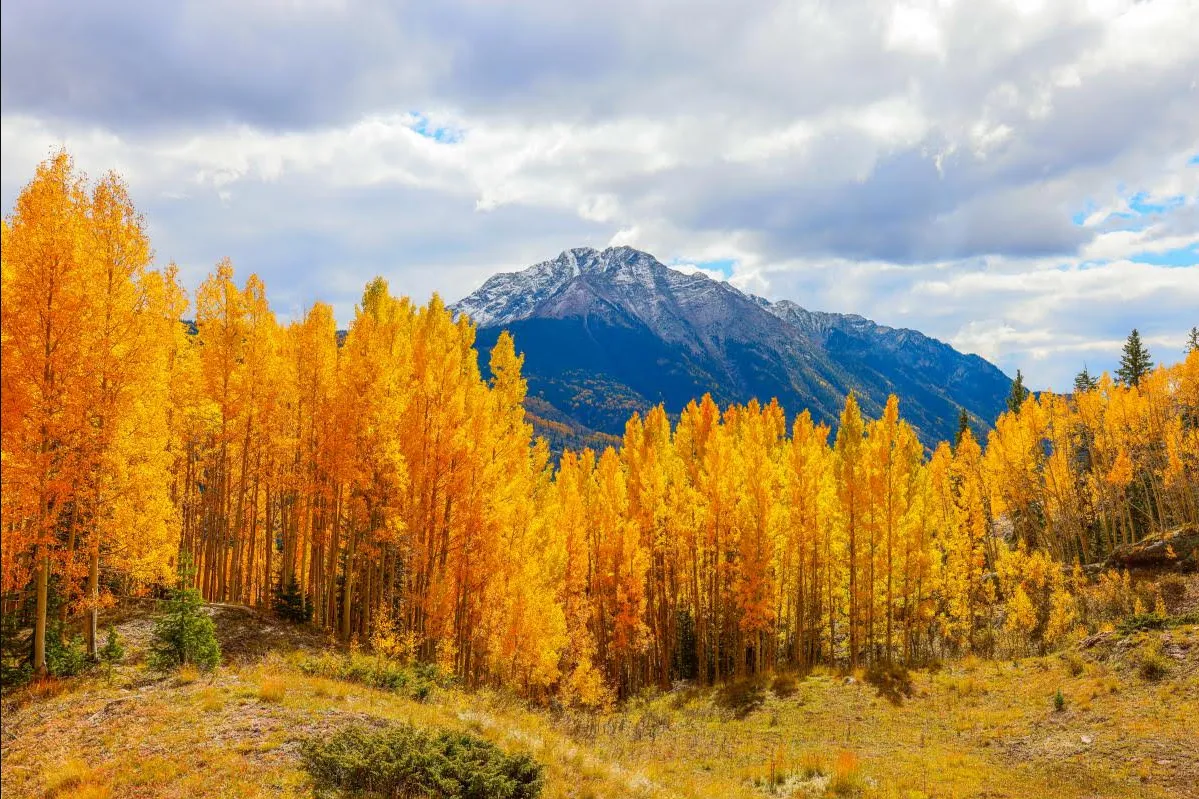
10 Fall Landscaping Tasks to Prepare Your Property for Winter
Colorado’s fall weather can change quickly. Warm, dry afternoons may be followed by freezing temperatures, early snowstorms, intense sunlight, and long periods without moisture. Preparing your landscape in the fall, including proper fall lawn care, helps protect trees, shrubs, lawns, irrigation systems, and beneficial pollinators throughout the winter.
Here are ten important fall landscaping tasks for Colorado properties.
1. Continue Watering During Dry Weather
Colorado landscapes can suffer from winter drought, especially along the Front Range. Trees, shrubs, perennials, and lawns should enter winter with adequate soil moisture.
Water deeply during extended dry periods when:
- The temperature is above 40 degrees.
- The ground is not frozen.
- There is no snow covering the soil.
- Water can soak in before nighttime temperatures fall below freezing.
Pay special attention to newly planted trees and shrubs, evergreens, south- and west-facing areas, and plants exposed to wind. Water around midday so moisture has time to absorb before temperatures drop.
2. Winterize the Irrigation System
Colorado’s freezing temperatures can damage irrigation pipes, valves, backflow devices, and sprinkler heads. Schedule a professional irrigation blowout before a hard freeze.
After winterization, disconnect hoses and drain outdoor faucets when appropriate. Document broken sprinkler heads, poor coverage, and other needed repairs so they can be addressed before spring startup.
3. Add Mulch Around Trees and Plants
Apply two to three inches of organic mulch around trees, shrubs, and perennials. Mulch helps retain soil moisture and insulates roots from Colorado’s frequent freeze-and-thaw cycles.
Spread mulch evenly, but keep it several inches away from trunks and plant crowns. Avoid creating “mulch volcanoes,” which can trap moisture against tree bark and lead to decay, disease, and pest problems.
4. Leave Some Habitat for Pollinators
A perfectly clean landscape is not always the healthiest landscape. Many native bees, butterflies, moths, and other beneficial insects survive winter in hollow plant stems, leaf litter, loose soil, and protected garden debris.
Whenever practical:
- Leave healthy perennial stems standing until spring.
- Keep ornamental and native grasses in place through winter.
- Leave some healthy leaves in garden beds.
- Preserve undisturbed areas of bare or lightly covered soil.
- Avoid shredding or removing every piece of natural plant material.
This sheltered habitat can help Colorado’s pollinators survive until spring. Leave stems approximately 12 to 18 inches tall when selective cutting is necessary.
5. Manage Leaves Carefully
Remove thick layers of leaves from lawns, sidewalks, storm drains, and drainage areas. Wet, matted leaves can smother turf and contribute to snow mold and other lawn problems.
Instead of sending every leaf to the landfill, mulch healthy leaves into the lawn or move some into planting beds. A light layer of leaves can protect soil, add organic matter, and provide winter habitat for beneficial insects.
Diseased leaves should be removed and disposed of separately rather than composted or reused.
6. Give the Lawn a Proper Final Mowing
Continue mowing cool-season lawns as part of your fall lawn care routine while they are actively growing. For the final cut, avoid scalping the grass. Cutting too short can expose the crowns of turf plants to cold temperatures and drying winds.
Use a sharp mower blade and never mow frozen or snow-covered turf. Native grasses generally require less mowing and can often remain standing through winter, providing attractive structure, wildlife cover, and pollinator habitat.
7. Use Fall Fertilizer Only When Needed
Fall can be a beneficial time for fall lawn care, including fertilizing Colorado’s cool-season lawns, because the grass continues developing roots as temperatures cool. However, fertilizer should be selected according to the lawn’s actual needs.
Avoid unnecessary fertilization near native landscapes, waterways, and pollinator gardens. Excess nutrients can move off-site and encourage weak or excessive growth. A soil test can help determine whether fertilizer is needed and what nutrients are missing.
8. Protect Trees and Shrubs
Inspect trees and shrubs for broken, dead, diseased, or crossing branches. Major pruning is often best completed after plants become dormant, depending on the species.
Young and thin-barked trees may need protection from sunscald, which is caused by Colorado’s intense winter sun and rapid temperature changes. Tree wrap may be appropriate when installed correctly and removed at the proper time in spring.
Use approved trunk guards where rabbits, deer, or rodents may damage bark. Continue monitoring evergreens, which can lose moisture through their needles throughout winter.
9. Control Weeds Without Harming Pollinators
Remove weeds before they produce and spread seed. Hand-pulling, digging, mulching, and targeted mechanical removal can reduce future weed pressure without unnecessary pesticide use.
If a treatment is required, use an integrated pest management approach:
- Correctly identify the weed or pest.
- Choose the least disruptive effective method.
- Treat only the affected area.
- Follow the product label exactly.
- Avoid spraying open flowers.
- Do not apply products when pollinators are active nearby.
- Prevent drift into pollinator gardens and native areas.
Responsible fall weed management protects the landscape while reducing risks to bees, butterflies, and other beneficial insects.
10. Inspect and Plan for Spring
Walk through the entire property and identify drainage problems, erosion, winter watering needs, damaged hardscapes, struggling plants, and irrigation concerns. Take photographs and make notes for spring repairs.
Fall is also a great time to plan improvements such as:
- Replacing high-water turf with native or water-wise plants.
- Adding Colorado-adapted pollinator plants.
- Creating clusters of flowering plants for easier pollinator access.
- Selecting plants that bloom at different times from spring through fall.
- Improving irrigation efficiency.
- Expanding mulch and reducing exposed soil in ornamental beds.
Protect Your Colorado Landscape—and Its Pollinators
Fall landscape care in Colorado requires more than simply cutting everything back and turning off the sprinklers. Winter watering, irrigation protection, proper mulching, selective cleanup, and thoughtful plant management can help your property withstand drought, freezing temperatures, snow, wind, and intense winter sunlight.
By leaving some stems, grasses, leaves, and natural habitat in place, property owners can also give native bees, butterflies, and other beneficial insects a better chance of surviving the winter.
Vargas Property Services provides professional fall lawn care, landscape maintenance, irrigation services, plant healthcare, native landscape management, and pollinator-friendly solutions designed for Colorado’s challenging climate.
Your land is an asset. Protect it, and the life it supports, through every season with Vargas Property Services. Contact our team today to get started with landscaping services.